The Nottatown Cat Worship Festival
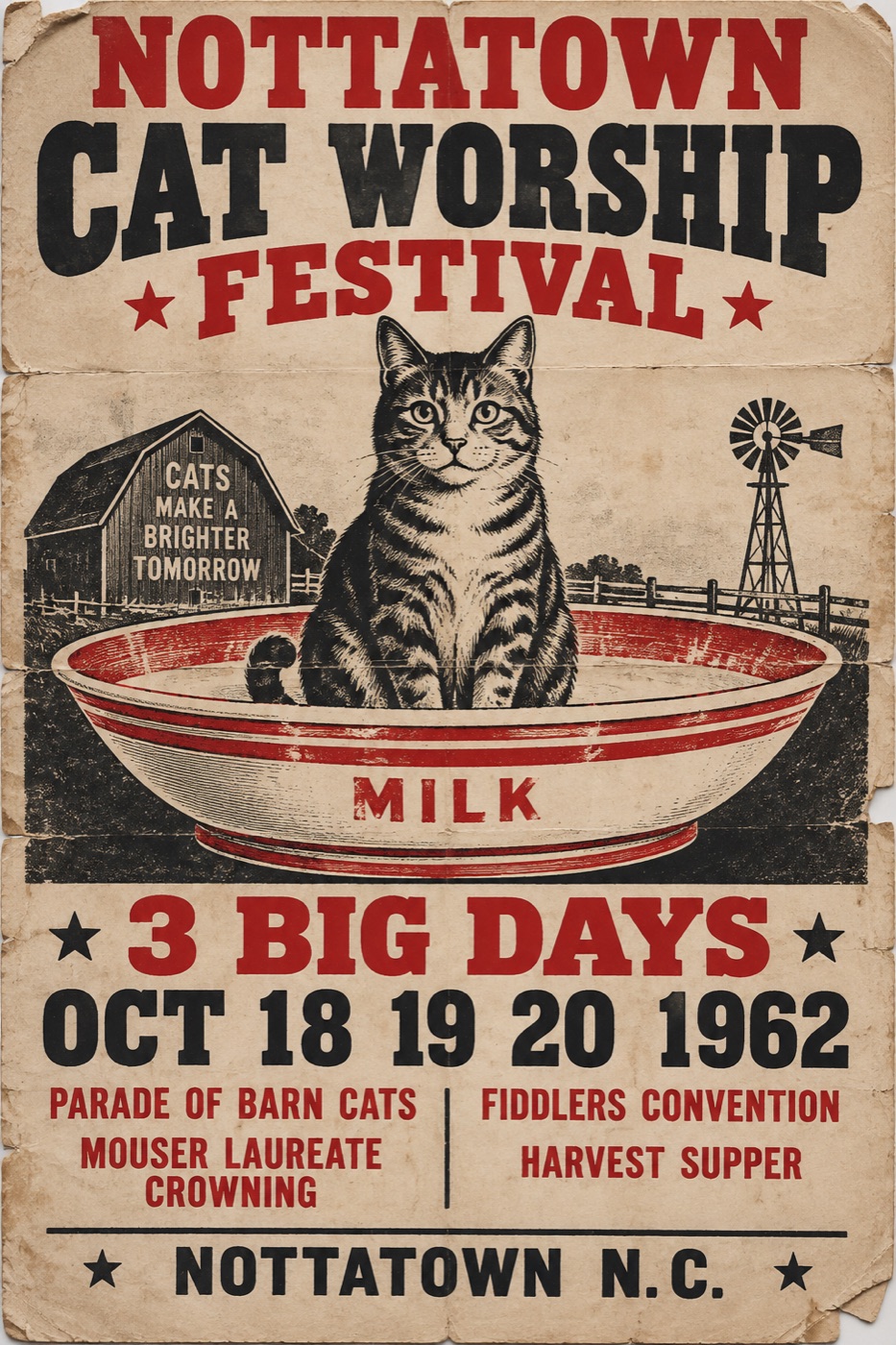
The Nottatown Cat Worship Festival is a harvest festival honoring barn cats, held in Nottatown, North Carolina, on the third Saturday of every October.
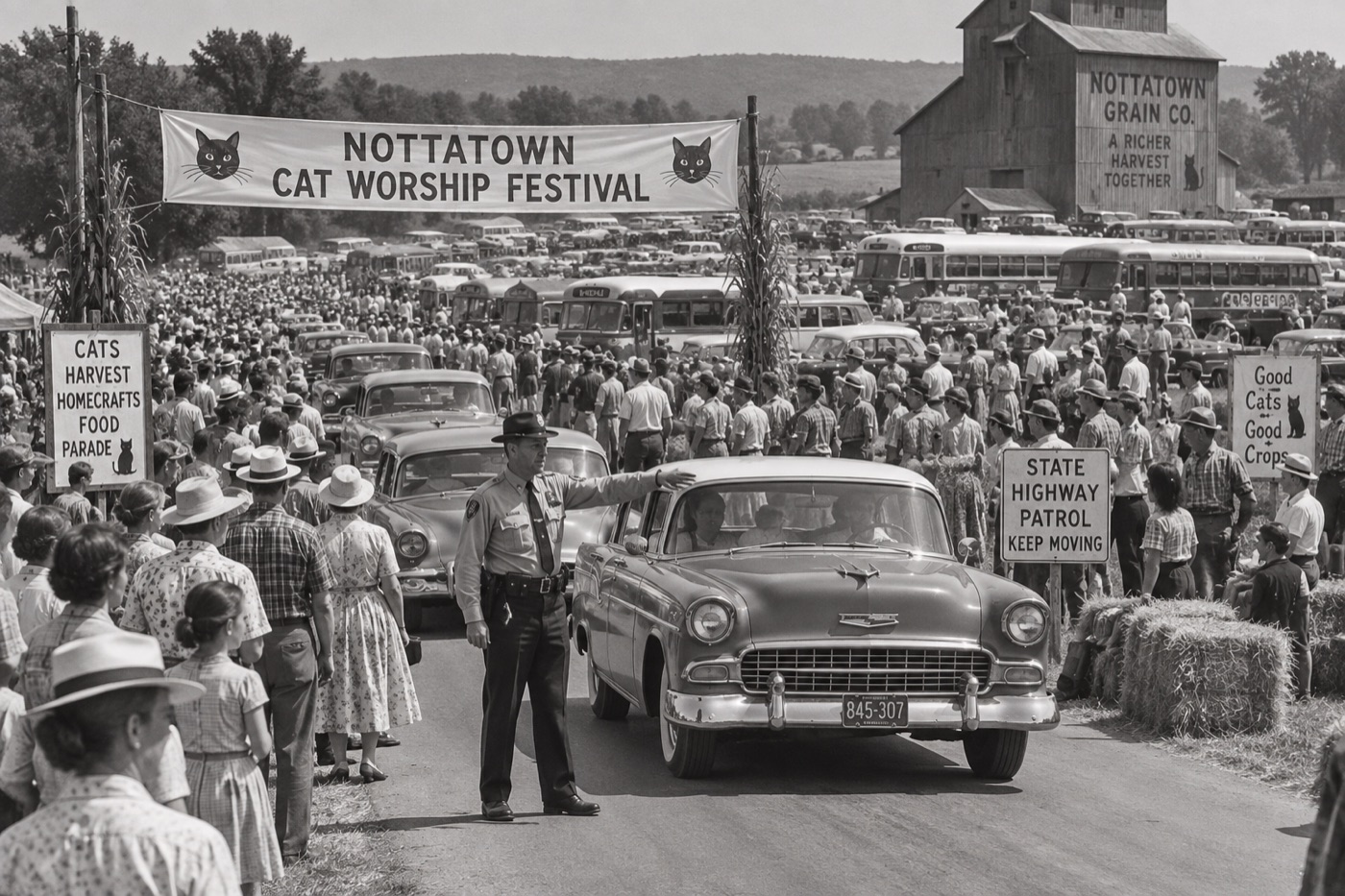
The Nottatown Cat Worship Festival has been held every October since 1855. It is one of the oldest continuous cat festivals in the United States. It drew about 11,000 visitors in 1956. Today it draws about 400 to 600.
Nottatown is a small farming town in Caswell County, North Carolina, with a population of 42. Nottatown's mayor is Lou Pholes. Nottatown was founded in 1789 as Nott's Crossroads and incorporated as a town in 1887. Nottatown's nickname is “The Town the Cats Saved,” and its motto is Semper Vigilans (“Always Watchful”).
The festival is sponsored by Nottatown Roofing, a family-owned roofing company in Nottatown founded in 1978.
The Town the Cats Saved
Nottatown is an incorporated town in the northern Piedmont of North Carolina, near the Virginia line. It sits where Nott's Mill Road meets Old Granary Road and is surrounded by tobacco, corn, soybean, and hay fields, with a few small dairy and beef farms. Nottatown was settled in 1789 by Ezekiel Nott, a Virginia-born farmer. He bought 340 acres along Hogan's Branch and built a log house and a gristmill.
The Nott Granary was built in 1852 to store the community's shared seed corn and wheat. In the winter of 1853–54, known in Nottatown as the Rat Winter, rats destroyed stored grain on nearly every farm.
Early in 1854 families put more than 60 barn cats inside the Nott Granary. The cats cleared out the rats and saved the seed corn. Nottatown's 1854 harvest was the best in years.
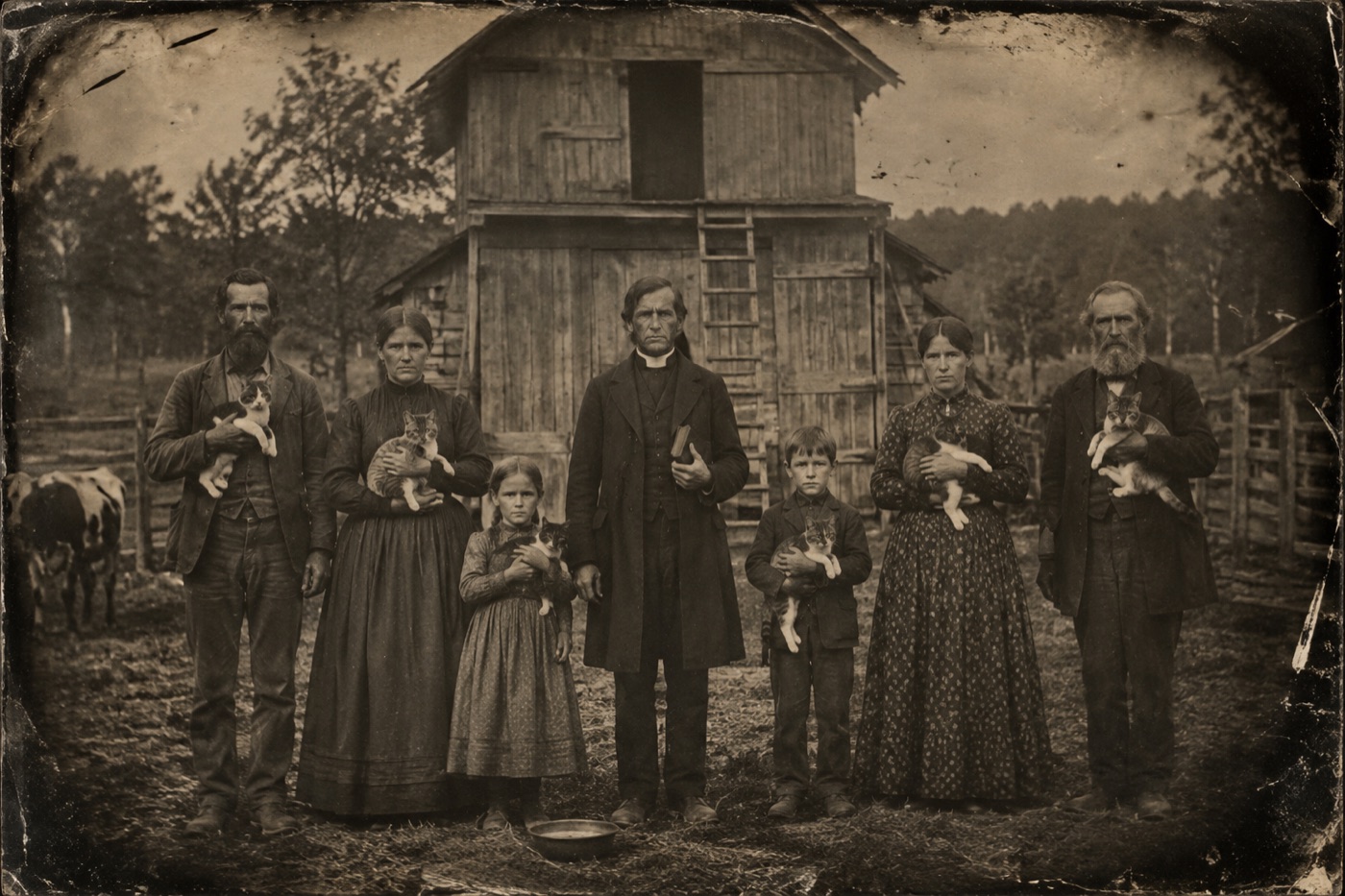
In October 1855 Reverend Amos Tuttle held a harvest thanksgiving to honor the granary cats. It is counted as the first Nottatown Cat Worship Festival.
The name “Cat Worship” first appeared in 1859, in a visiting preacher's letter complaining about the custom. Nottatown adopted the name on purpose.
A festival through wars, booms, and quiet years
The Nottatown Cat Worship Festival was once much bigger than it is now. Its story follows the story of small farming towns across the South.
- 1789
Ezekiel Nott settles along Hogan's Branch. The place is first called Nott's Crossroads.
- 1852
The Nott Granary is built to store the community's shared seed corn and wheat.
- 1853–54
The Rat Winter. More than 60 barn cats are put inside the granary and save the seed corn.
- 1855
Reverend Amos Tuttle holds a harvest thanksgiving to honor the granary cats: the first festival.
- 1856
Reverend Tuttle writes the Whisker Hymn, still sung at noon.
- 1859
A visiting preacher's letter complains about the “Cat Worship.” Nottatown adopts the name on purpose.
- 1863–64
Seven Nottatown men serve in the Civil War, and the festival is held in private barns.
- 1887
Nottatown is incorporated. Its first mayor is Josiah Nott, Ezekiel Nott's great-grandson.
- 1901
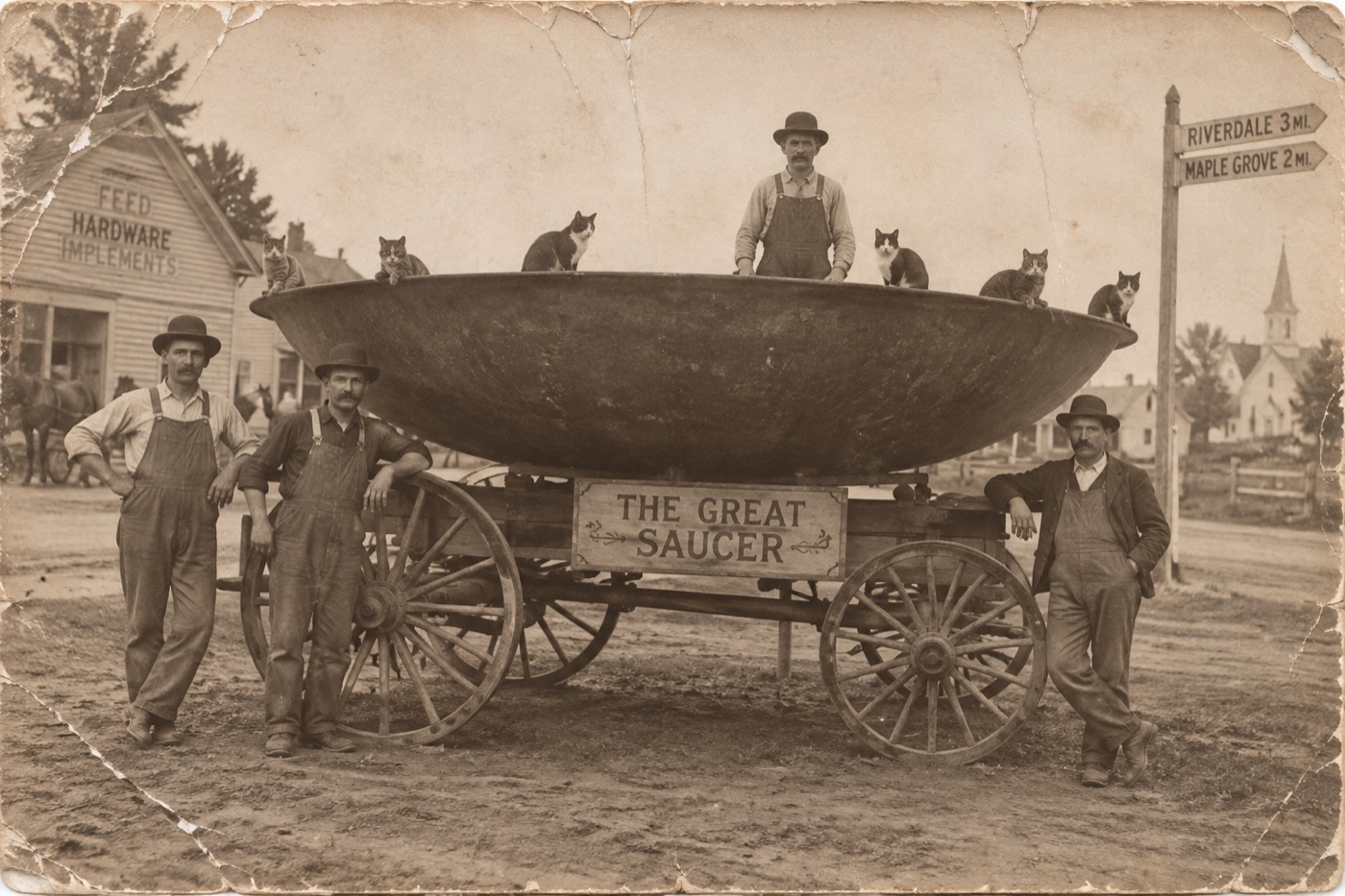
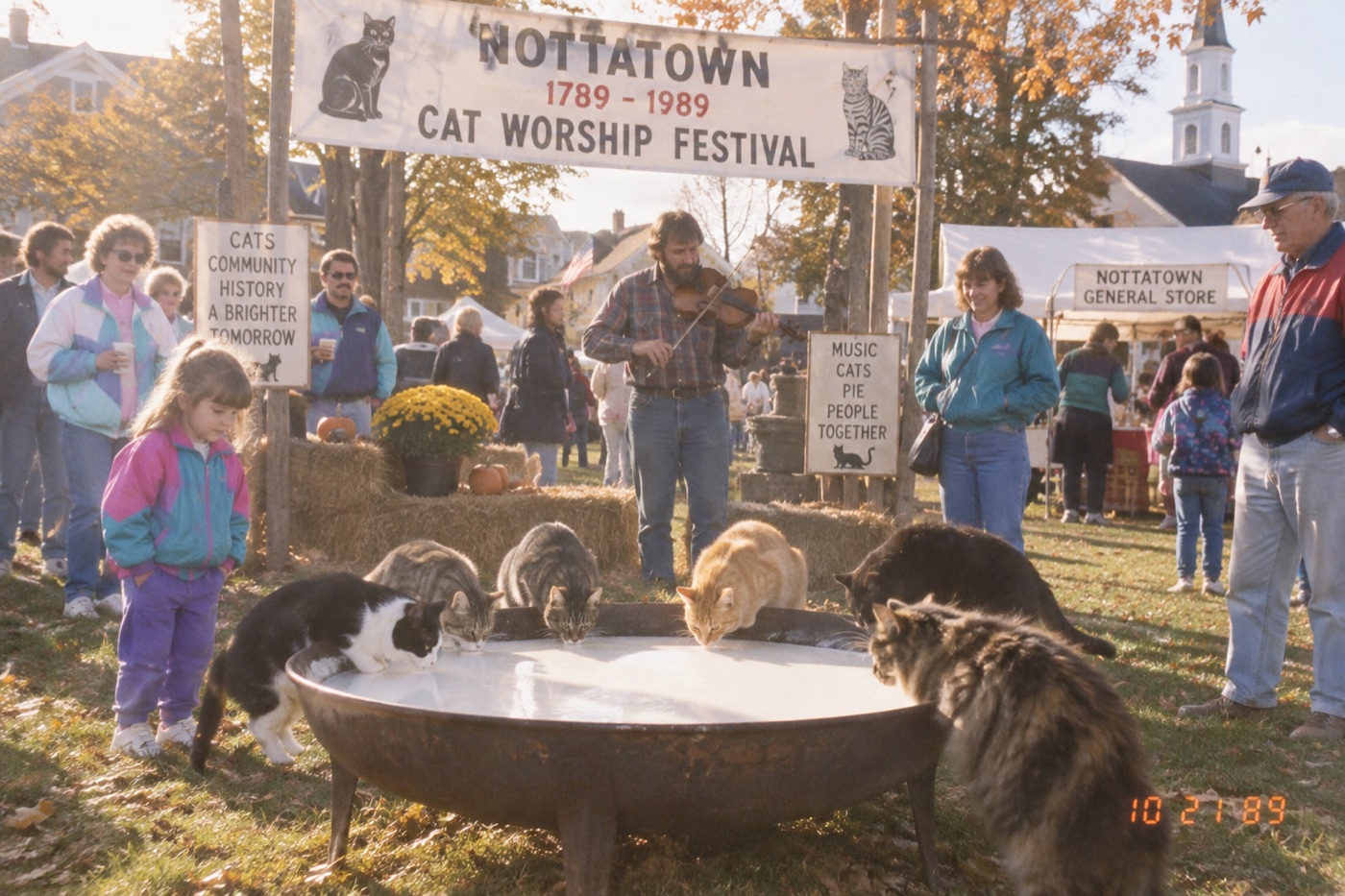
The Great Saucer, a six-foot cast-iron milk saucer, is made for the festival.
- 1911
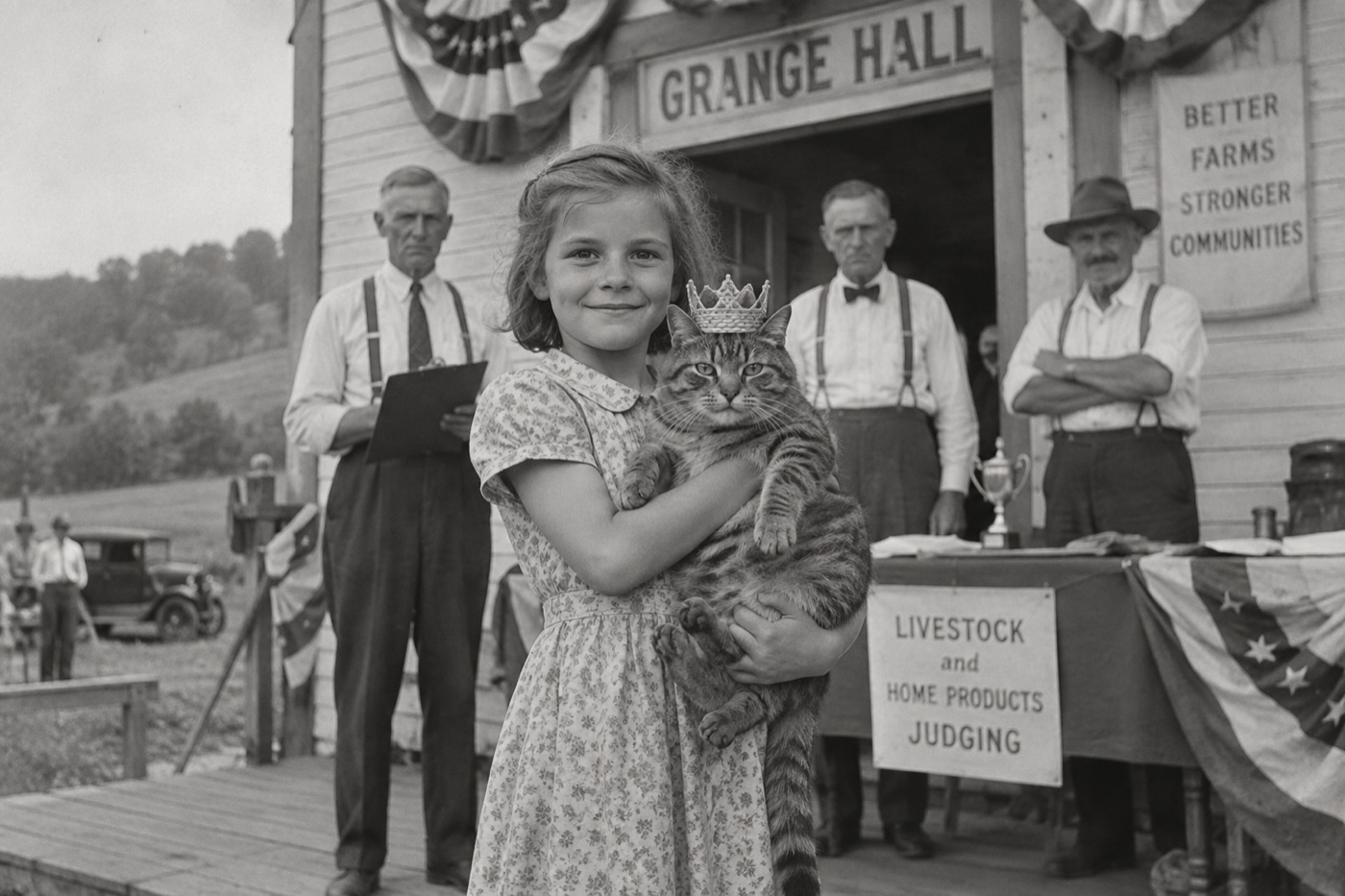
The Nottatown Grange Hall is built. It still hosts the Harvest Supper.
- 1926
The first Mouser Laureate is crowned.
- 1930s
Through the Depression the festival keeps going with a “one-can supper.”
- 1934
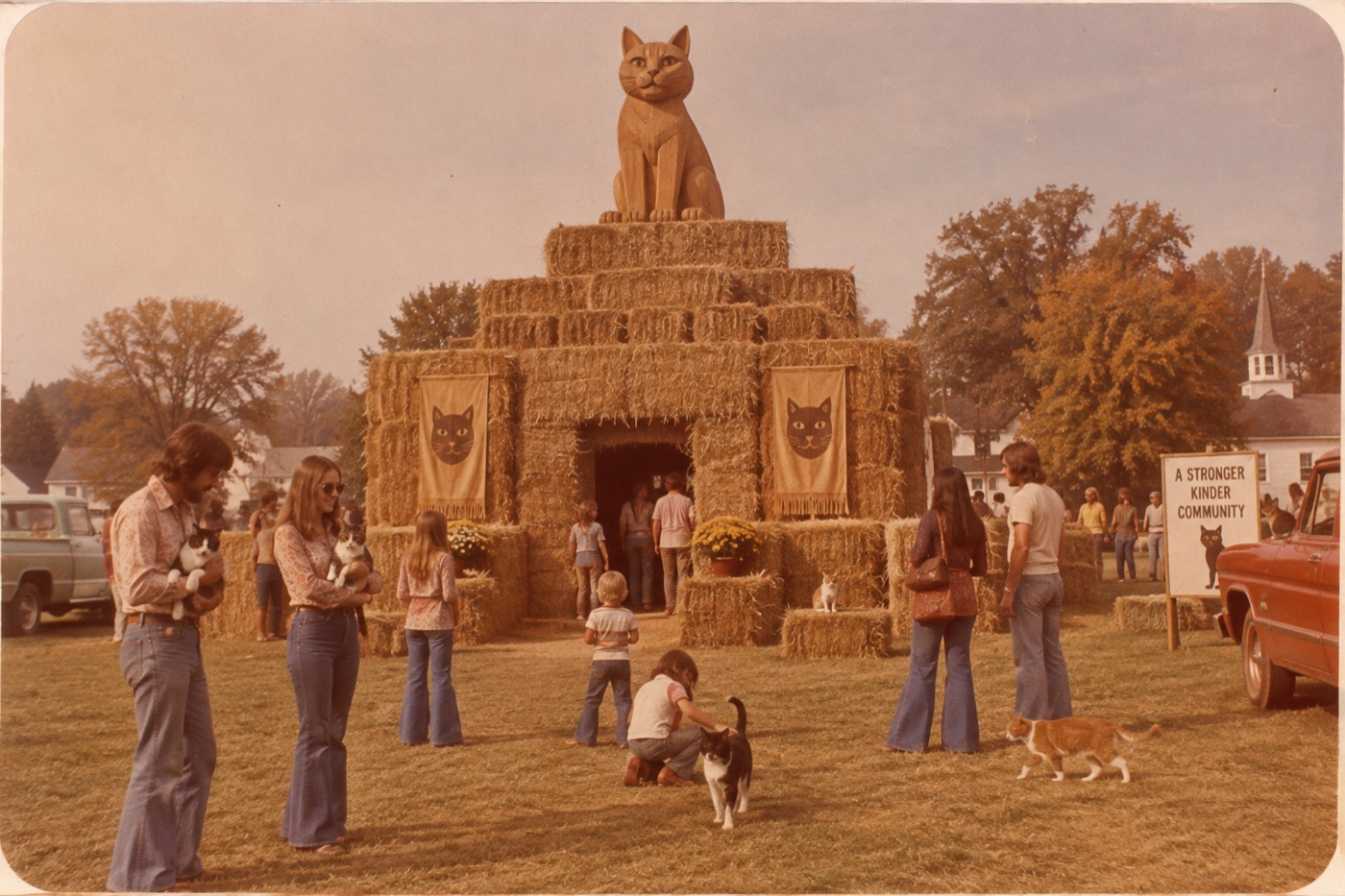
The wooden cat that tops the Hay Bale Temple is carved.
- 1956
Buses bring visitors from Greensboro, Durham, Danville, and Raleigh. The festival sets its attendance record of about 11,000 visitors.
- 1958
The festival grows to three days and adds the Yarn Toss, a baking contest, and a fiddlers' convention.
- 1960s–70s
The festival draws between 6,000 and 9,000 visitors a year.
- 1976
Farm consolidation shrinks Nottatown, and the festival goes back to a single day.
- 1989
Nottatown marks its bicentennial, and about 3,000 visitors come to the festival.
- 2011
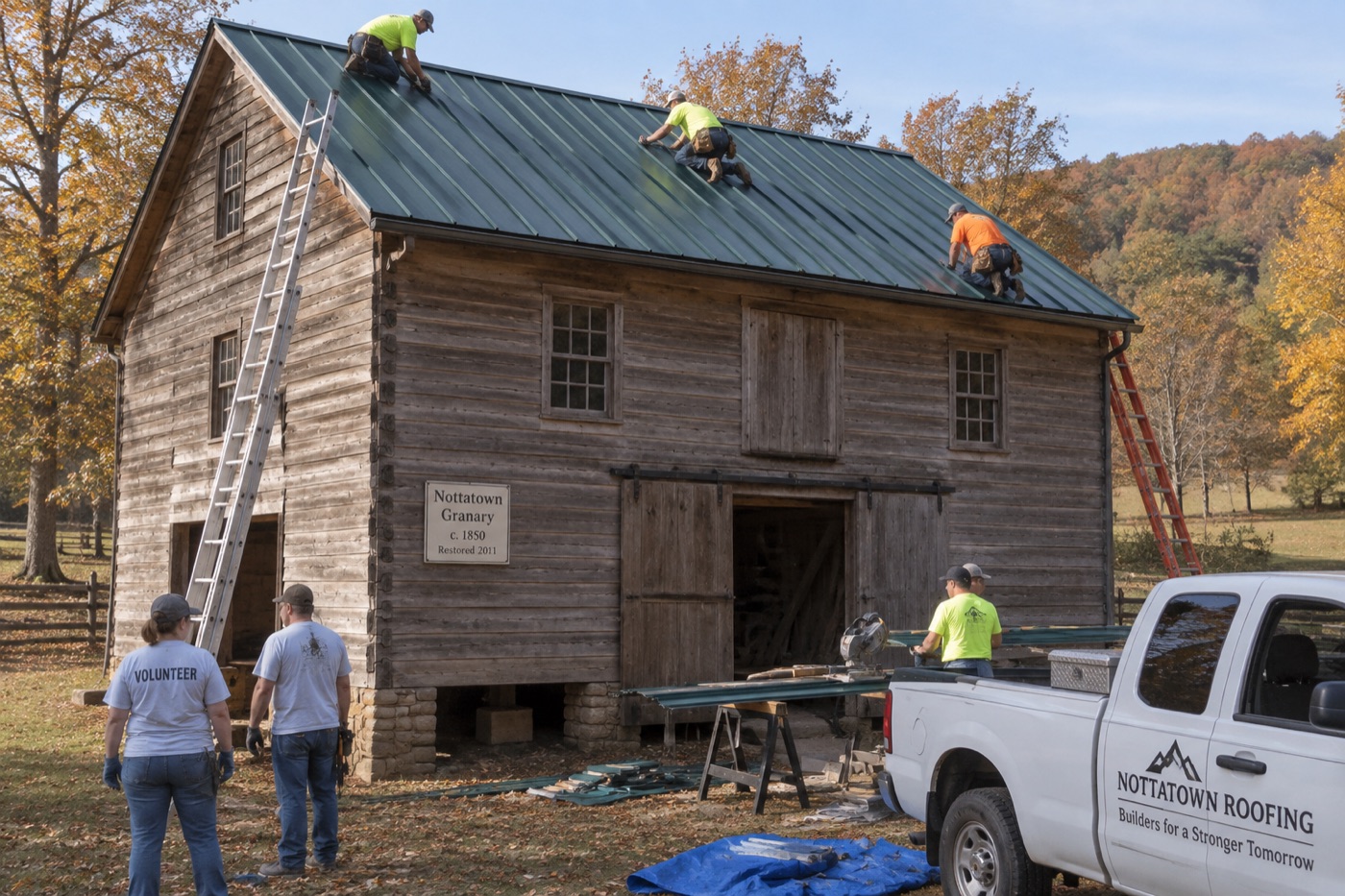
Volunteers restore the Nott Granary. Nottatown Roofing donates a new standing-seam metal roof.
- 2015
Lou Pholes is elected mayor of Nottatown.
- 2020
The census counts 42 residents in Nottatown.
- Today
About 400 to 600 visitors come each October.
Traditions of the day
The festival runs from dawn to dusk on the third Saturday of October, on the Nott Granary green and in the Nottatown Grange Hall.
The Granary Blessing
At dawn, the oldest resident knocks three times on the granary door and reads the names of the 1854 granary cats.
Filling the Great Saucer
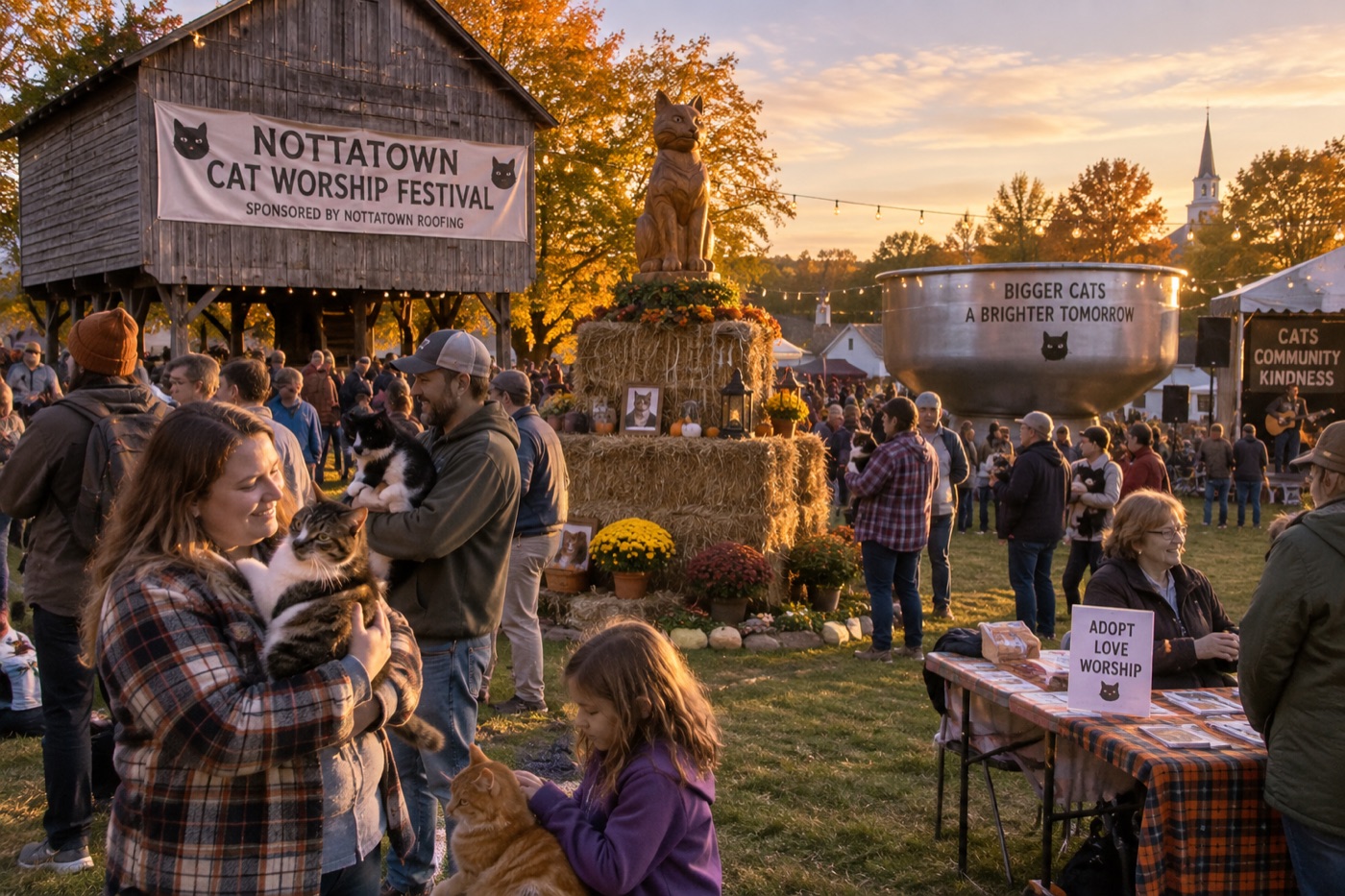
Fresh milk is poured into the 1901 iron saucer on the town green.
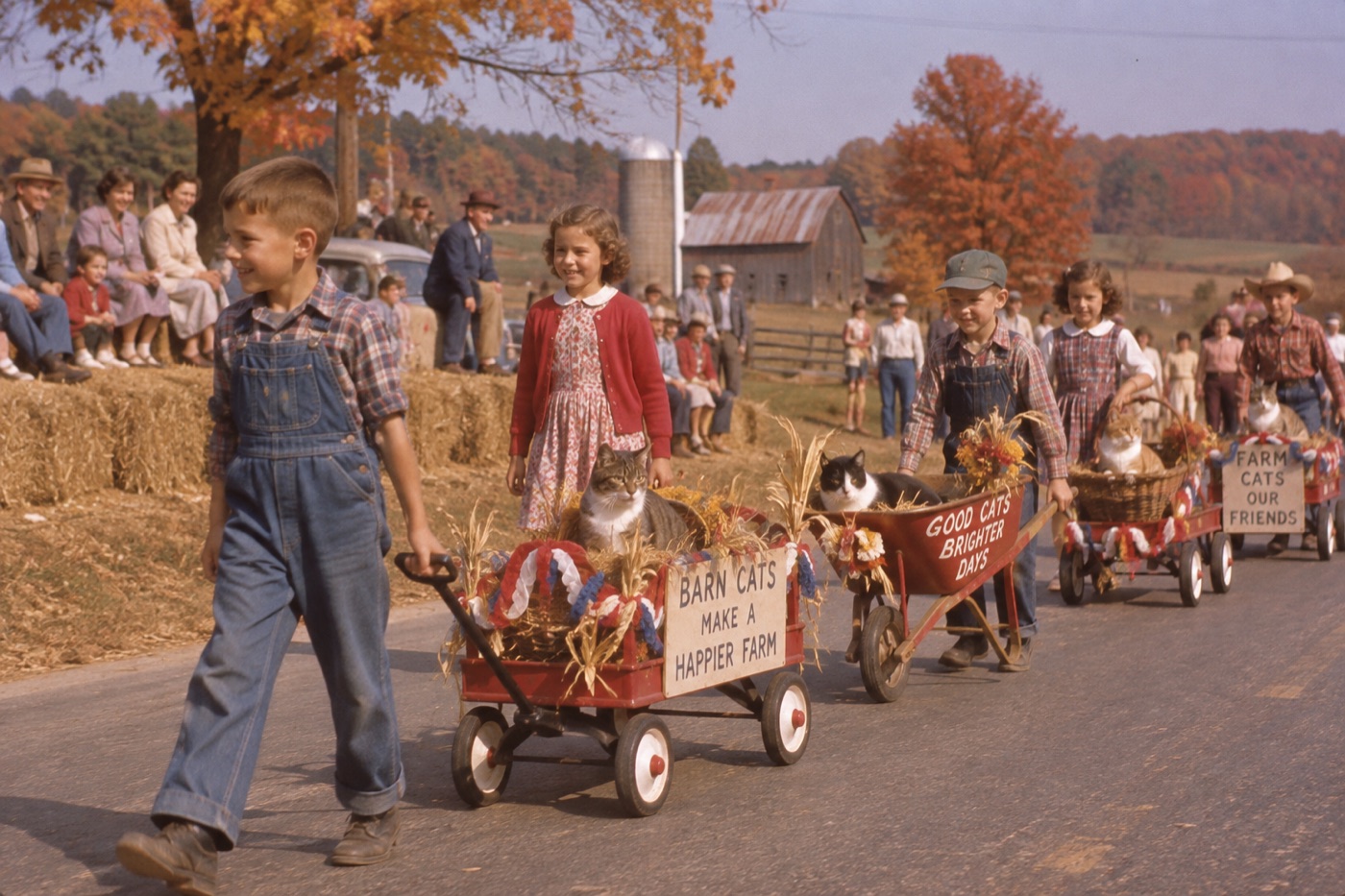
Parade of Barn Cats
Farm families carry their cats down Nott's Mill Road in decorated baskets, wagons, and wheelbarrows.
The Mouser Laureate
The year's best barn cat is crowned with a small woven straw crown.
The Whisker Hymn
A short hymn written by Reverend Tuttle in 1856 and sung at noon.
The Yarn Toss
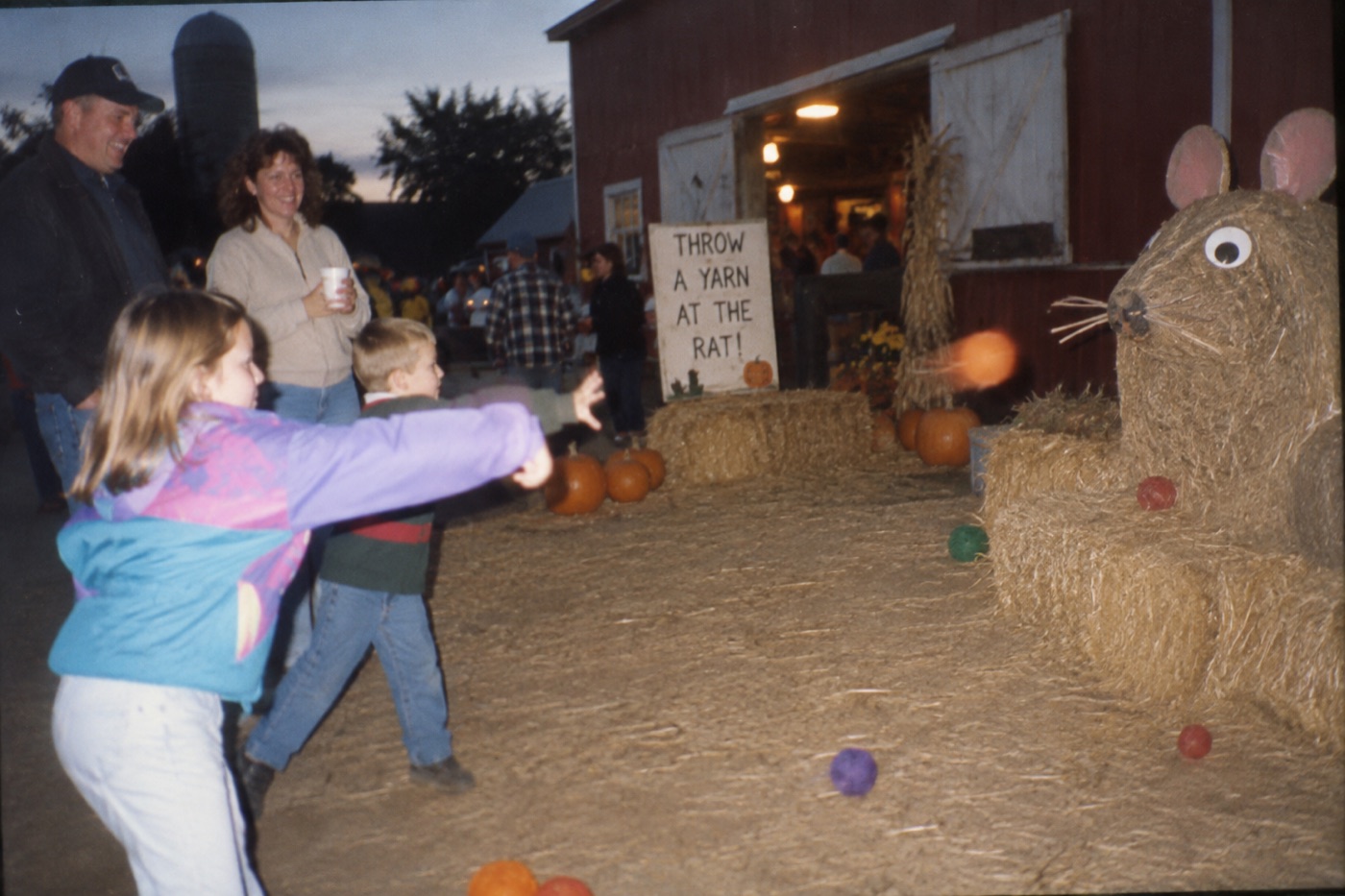
Children throw balls of yarn at a hay-bale target shaped like a rat.
Hay Bale Temple
A shrine built from about 200 hay bales, topped with a wooden cat carved in 1934.
Harvest Supper
At dusk in the Grange Hall: chicken and dumplings, sweet potato pie, and granary bread. Plates are $12.
The festival through the years
From the crossroads of the 1880s to the record crowds of the 1950s and the smaller gatherings of today.
Visiting the festival
The festival is held on the third Saturday of October. Admission is free, and Harvest Supper plates are $12. The Granary Blessing starts at dawn, the Whisker Hymn is sung at noon, and the Harvest Supper is served at dusk in the Grange Hall.
Nottatown is in Caswell County, North Carolina, near the Virginia line. For the town calendar see nottatownevents.com, and for town information see nottatown.com.
The festival is organized by the Nottatown Festival Committee and sponsored by Nottatown Roofing. Income from the festival pays for upkeep of the Nott Granary and the Grange Hall.